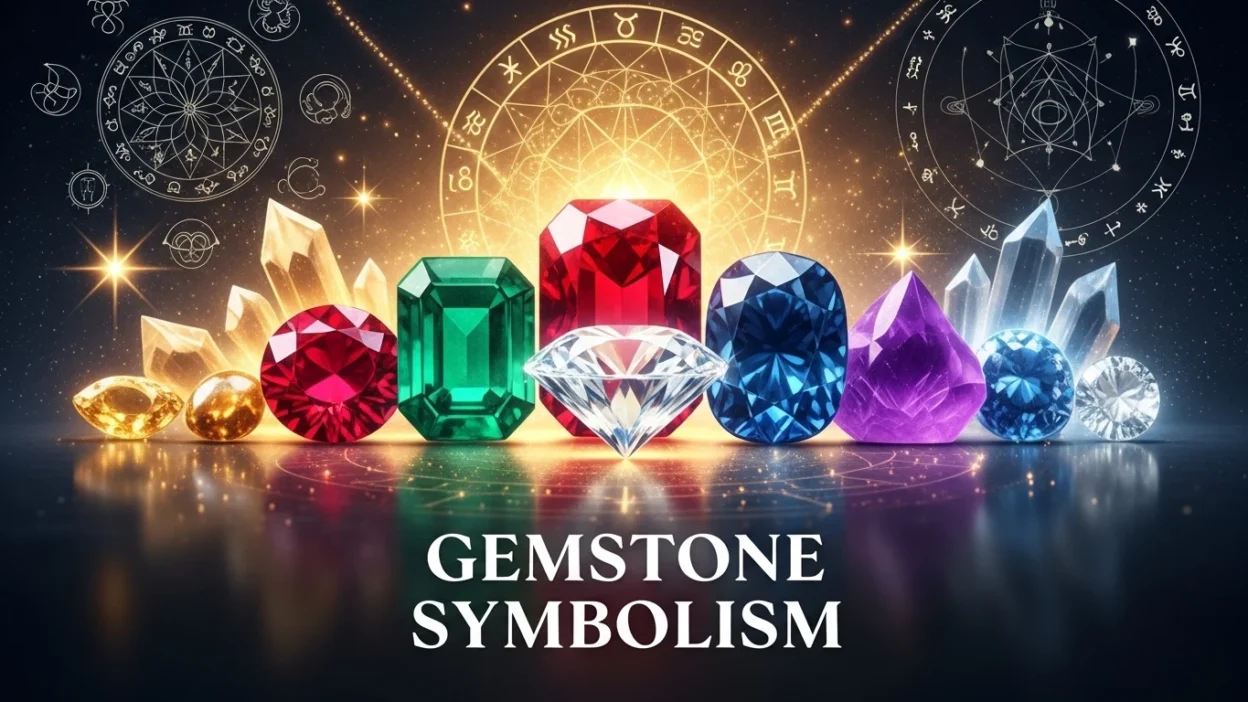
Gemstone symbolism has fascinated people for centuries. Across cultures, gemstones have represented protection, love, wisdom, healing, wealth, and spiritual strength.
From ancient crowns to modern jewelry, these natural treasures carry meanings that go far beyond beauty.
If worn for luck, used in rituals, or gifted with intention, gemstones often reflect personal values and emotional energy.
Gemstone Symbolism Meaning (Clear Definition)
Gemstone symbolism refers to the deeper meanings people assign to precious and semi-precious stones. Different gems are believed to hold unique energies and messages based on their color, rarity, history, and cultural use.
For example:
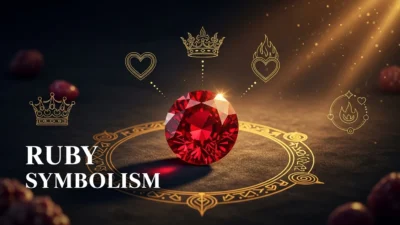
- Ruby symbolizes passion and courage
- Sapphire symbolizes wisdom and truth
- Emerald symbolizes growth and renewal
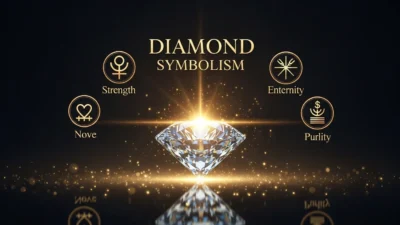
- Diamond symbolizes strength and eternal love
- Amethyst symbolizes peace and intuition
In simple terms, gemstone meanings connect nature’s beauty with human emotion and belief.
What Does Gemstone Symbolism Represent?
Gemstone symbolism often represents qualities people hope to attract or strengthen in life.
| Gemstone | Symbolic Meaning |
| Diamond | Purity, commitment, resilience |
| Ruby | Love, vitality, bravery |
| Emerald | Harmony, fertility, hope |
| Sapphire | Loyalty, wisdom, honesty |
| Amethyst | Calmness, spirituality, protection |
| Topaz | Joy, abundance, confidence |
| Opal | Creativity, imagination, mystery |
These symbolic meanings make gemstones popular for gifts, engagement rings, and personal talismans.
Spiritual Meaning of Gemstone Symbolism
Spiritually, gemstones are often seen as carriers of earth energy. Many traditions believe crystals and gemstones help balance emotions, sharpen awareness, and encourage healing.
Common spiritual gemstone meanings include:
- Quartz: clarity and focus
- Amethyst: inner peace and meditation
- Turquoise: protection and communication
- Moonstone: intuition and feminine energy
- Black Onyx: grounding and strength
People often choose gemstones based on the emotional support they seek.
Biblical / Religious Meaning of Gemstone Symbolism
Gemstones appear in many religious texts and traditions. In the Bible, precious stones were linked to holiness, divine beauty, and sacred authority. The breastplate of the High Priest in Exodus included twelve gemstones representing the leagues of Israel.
In other traditions:
- Jade symbolizes purity and harmony in Eastern beliefs
- Lapis lazuli has been linked to divine truth and royalty
- Pearls often symbolize wisdom and spiritual purity
Religious gemstone symbolism usually reflects divine connection and moral values.
Gemstone Symbolism in History and Culture
Throughout history, gemstones were treasured not only for beauty but for power.
Ancient Egypt
Emeralds and lapis lazuli were used in jewelry and burial items for protection in the afterlife.
Ancient Rome
Romans believed gemstones could bring victory, health, and social status.
Asia
Jade became a symbol of honor, balance, and prosperity.
Medieval Europe
People wore gemstones as charms against illness and danger.
Across civilizations, gemstone symbolism often blended wealth with spiritual meaning.
Gemstone Symbolism in Literature and Art
Writers and artists have long used gemstones as symbols of human emotion and destiny.
Examples include:
- Diamonds representing unbreakable love
- Rubies symbolizing desire and sacrifice
- Pearls symbolizing innocence or hidden wisdom
- Opals symbolizing mystery and changing fortune
In paintings and stories, gemstones often reveal a character’s status, personality, or inner journey.
Dream Meaning of Gemstone Symbolism
Dreaming of gemstones can symbolize hidden value, opportunity, or emotional insight.
Common interpretations:
- Finding gemstones: discovering talents or blessings
- Losing gemstones: fear of loss or missed chances
- Receiving gemstones: love, reward, or recognition
- Broken gemstones: disappointment or emotional pain
Dream meaning depends on the stone type and feelings in the dream.
Modern Meaning of Gemstone Symbolism
Today, gemstone symbolism remains popular in jewelry, wellness, and personal expression. Many people wear birthstones or choose gems that reflect goals and identity.
Modern symbolic uses include:
- Engagement rings for lasting commitment
- Healing crystal practices for mindfulness
- Birthstones for identity and luck
- Fashion jewelry for confidence and style
Gemstones continue to bridge tradition with personal meaning.
FAQs
What is the most powerful gemstone symbolically?
Many consider diamond powerful because it symbolizes strength, purity, and eternal commitment. Others prefer amethyst for spiritual peace.
Do gemstones really have meanings?
Yes, symbolically they do. Meanings come from culture, history, religion, and personal belief rather than scientific proof.
Which gemstone symbolizes love?
Ruby is most associated with love, passion, and devotion. Rose quartz is also linked with compassion and emotional healing.
What gemstone symbolizes protection?
Black onyx, turquoise, and amethyst are commonly seen as protective stones in many traditions.
Why are birthstones important?
Birthstones symbolize identity, luck, and personal connection to one’s birth month. Many people wear them for sentimental meaning.
Conclusion
Gemstone symbolism reminds us that beauty can carry meaning. Whether representing love, wisdom, courage, or healing, gemstones continue to inspire people across time.
Their true power often lies in the intention and value we place within them.

Cole Jaxson is the administrator of SymbolPeak, overseeing site management and content integrity. He is dedicated to presenting Bible-based spiritual symbol meanings with accuracy, reverence, and clarity, ensuring the platform remains trustworthy, well-organized, and aligned with biblical teachings and faith-centered understanding for readers worldwide.