
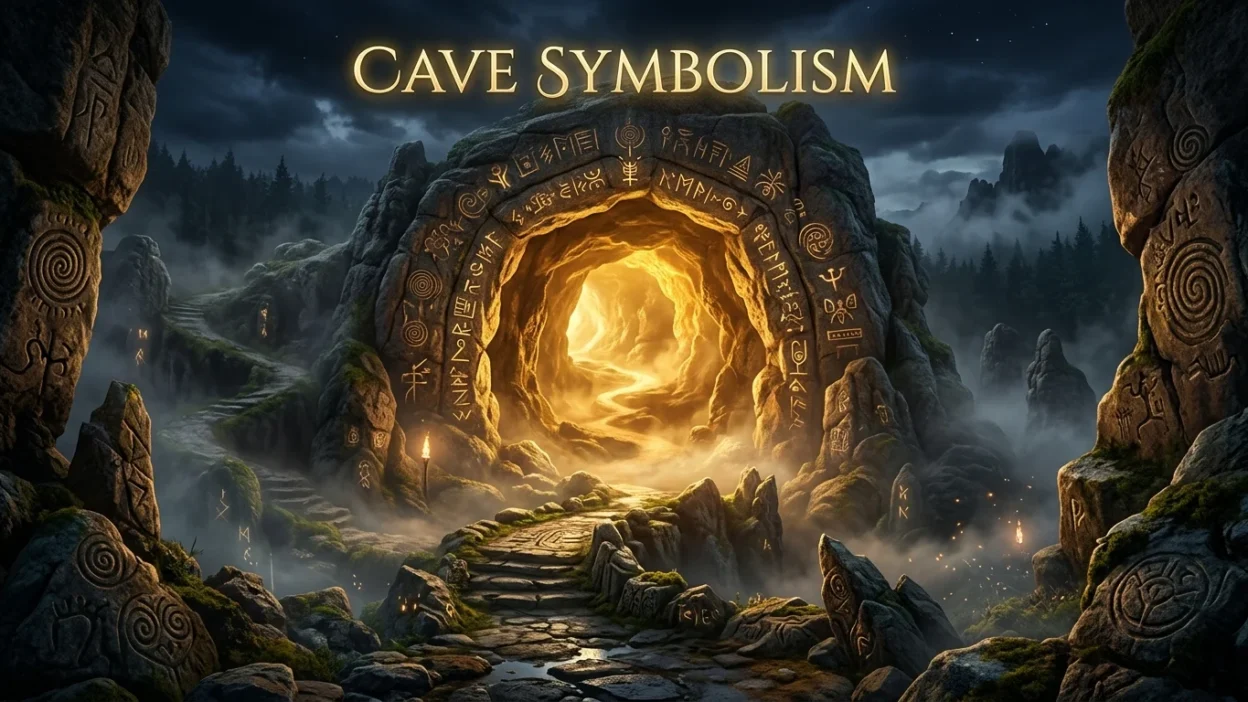
Cave symbolism has fascinated humanity for thousands of years. Across cultures, religions, myths, and spiritual traditions, caves represent mystery, protection, self-discovery, and transformation. If appearing in ancient stories, sacred texts, dreams, or modern art, caves often symbolize a journey into the unknown parts of life and the self.
People are naturally drawn to cave symbolism because it reflects both physical and psychological experiences. Entering a cave can represent stepping away from the outside world and exploring deeper truths hidden beneath the surface.
Cave Symbolism Meaning (Clear Definition)
Cave symbolism refers to the symbolic meaning associated with caves as places of shelter, mystery, spiritual awakening, rebirth, and inner exploration.
In symbolic interpretations, a cave often represents:
| Symbolic Meaning | Interpretation |
| Protection | A safe place from external dangers |
| Mystery | Hidden truths waiting to be discovered |
| Transformation | Personal growth and change |
| Rebirth | Emerging into a new phase of life |
| Wisdom | Access to deeper knowledge |
| Reflection | A space for introspection and self-discovery |
| The Unconscious Mind | Hidden thoughts, emotions, and instincts |
Because caves are hidden beneath the earth, they are frequently connected to the unknown and the deeper layers of human consciousness.
What Does Cave Symbolism Represent?
Cave symbolism represents a journey inward. Unlike mountains, which symbolize reaching upward toward goals, caves symbolize going deeper into oneself.
Common representations include:
- Self-discovery and introspection
- Hidden knowledge and secrets
- Spiritual retreat and contemplation
- Protection and safety
- Personal transformation
- Connection to nature and the earth
- Exploration of the unconscious mind
The act of entering a cave often symbolizes facing fears, uncovering truths, or beginning a period of personal growth.
Spiritual Meaning of Cave Symbolism
Spiritually, cave symbolism is closely linked to inner awakening and transformation. Many spiritual traditions view caves as sacred spaces where individuals can disconnect from distractions and connect with higher wisdom.
A cave can symbolize:
- Retreat from worldly concerns
- Meditation and contemplation
- Spiritual rebirth
- Divine revelation
- Inner healing
- Personal enlightenment
Spiritually, entering a cave often reflects a soul journey. The darkness inside is not necessarily negative; instead, it represents the unknown aspects of life that must be explored before wisdom can emerge.
Many spiritual seekers view caves as symbolic gateways between the physical world and deeper spiritual realities.
Biblical / Religious Meaning of Cave Symbolism
In religious traditions, caves frequently appear as places of protection, revelation, and divine encounters.
In the Bible, caves often symbolize:
- Refuge during difficult times
- God’s protection
- Spiritual preparation
- Solitude and prayer
- Divine communication
Several biblical figures sought shelter or received guidance while in caves. These settings often marked periods of transformation before significant life events.
In other religious traditions, caves are considered sacred locations where saints, monks, and spiritual leaders practiced meditation and sought enlightenment.
The religious symbolism of caves emphasizes withdrawal from the outside world to gain spiritual clarity and divine wisdom.
Cave Symbolism in History and Culture
Throughout history, caves have played important roles in human civilization. Early humans used caves for shelter, protection, ceremonies, and artistic expression.
Different cultures associate caves with:
- Origins of life
- Sacred spaces
- Ancestral wisdom
- Creation myths
- Passage into spiritual realms
Ancient cave paintings found around the world suggest that caves were not only homes but also ceremonial sites. Many indigenous traditions viewed caves as portals connecting humanity with spirits, ancestors, or divine forces.
Because caves have served humanity for thousands of years, they remain powerful cultural symbols of survival, mystery, and connection to the earth.
Cave Symbolism in Literature and Art
In literature and art, cave symbolism often represents hidden truths, psychological exploration, and personal transformation.
Writers frequently use caves to symbolize:
- The subconscious mind
- Secret knowledge
- Inner conflict
- Transformation through challenge
- Discovery of one’s true self
Artists use cave imagery to create feelings of mystery, depth, and spiritual exploration.
One of the most famous symbolic examples is the concept of emerging from darkness into light, representing the movement from ignorance to understanding. This theme appears repeatedly in literature, philosophy, mythology, and visual arts.
The cave often serves as a setting where characters confront fears, gain wisdom, and return transformed.
Dream Meaning of Cave Symbolism
Dreaming about a cave can have various interpretations depending on the context and emotions involved.
Common cave dream meanings include:
Entering a Cave
This often symbolizes self-exploration, personal growth, or a desire to understand hidden aspects of yourself.
Being Lost in a Cave
A lost cave dream may indicate confusion, uncertainty, or difficulty finding direction in life.
Discovering Something Inside a Cave
Finding treasure, light, or meaningful objects in a cave can symbolize hidden talents, wisdom, or opportunities.
Exiting a Cave
Leaving a cave often represents personal transformation, new understanding, or the completion of a significant life journey.
Dark Cave Dreams
A dark cave may symbolize fears, unresolved emotions, or unexplored areas of the subconscious mind.
Overall, cave dreams frequently relate to inner discovery and psychological growth.
Modern Meaning of Cave Symbolism
In modern society, cave symbolism continues to represent reflection, authenticity, and personal transformation.
Today, people often associate caves with:
- Mental and emotional healing
- Personal development
- Solitude and mindfulness
- Escaping daily distractions
- Self-awareness
- Exploring deeper truths
Modern psychology frequently connects cave symbolism to the unconscious mind. The cave becomes a metaphor for exploring hidden thoughts, emotions, and motivations.
In a fast-paced world, the symbolic cave reminds people of the importance of slowing down, reflecting, and reconnecting with their inner selves.
FAQs
What is the main meaning of cave symbolism?
The primary meaning of cave symbolism is inner exploration, transformation, and the discovery of hidden wisdom.
Is cave symbolism positive or negative?
Cave symbolism is generally positive. While it may involve darkness or uncertainty, these elements often represent growth, healing, and self-discovery.
What do caves symbolize spiritually?
Spiritually, caves symbolize meditation, enlightenment, rebirth, and connection to deeper truths beyond everyday life.
What does dreaming about a cave mean?
A cave dream often reflects introspection, hidden emotions, personal growth, or a search for deeper understanding.
Why are caves important in mythology?
Many myths portray caves as sacred places where heroes gain wisdom, encounter spiritual beings, or undergo transformation.
Conclusion
Cave symbolism is a powerful reminder that growth often begins in places of mystery and reflection. Across spiritual traditions, cultural stories, dreams, and artistic works, caves represent hidden wisdom, transformation, protection, and the journey into the depths of the human soul.
By exploring the symbolism of caves, we gain a deeper understanding of ourselves and the transformative power of inner discovery.

Cole Jaxson is the administrator of SymbolPeak, overseeing site management and content integrity. He is dedicated to presenting Bible-based spiritual symbol meanings with accuracy, reverence, and clarity, ensuring the platform remains trustworthy, well-organized, and aligned with biblical teachings and faith-centered understanding for readers worldwide.