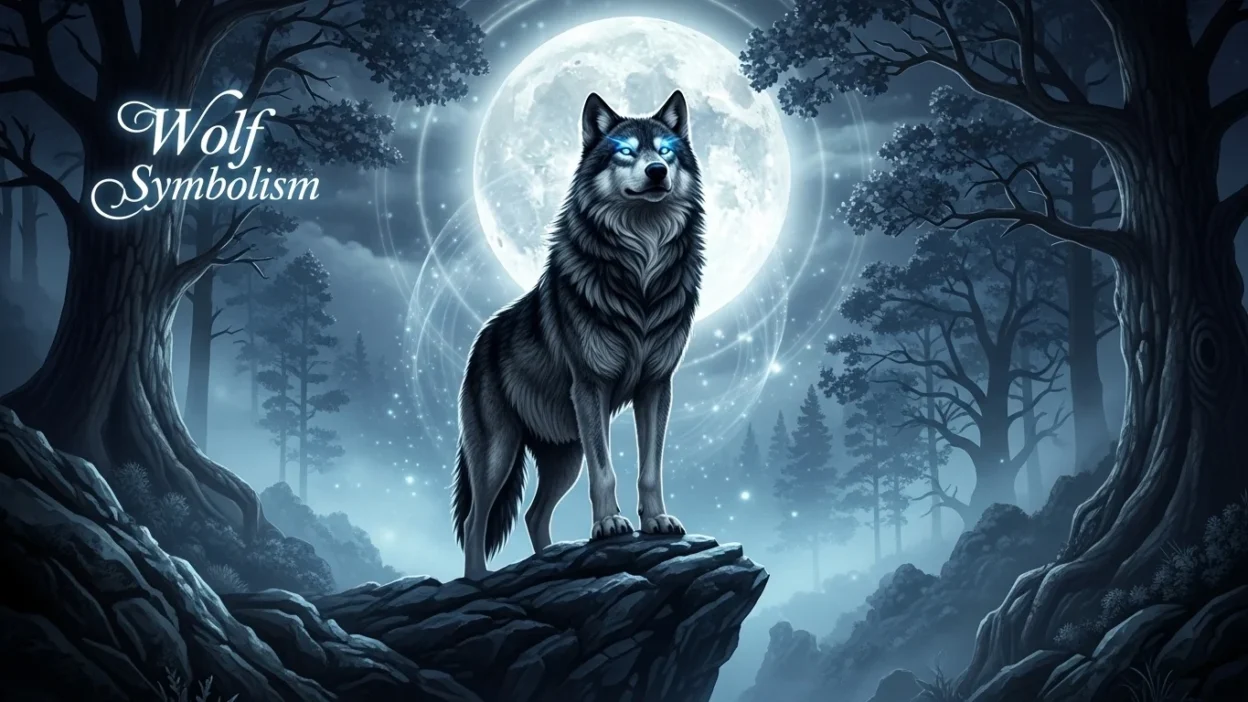
Wolf symbolism has fascinated humans for centuries, representing strength, loyalty, freedom, and deep instinct.
From ancient myths to modern interpretations, wolves carry layered meanings that connect to both our inner nature and the world around us.
Understanding wolf symbolism can reveal powerful insights about leadership, intuition, and survival.
Wolf Symbolism Meaning (Clear Definition)
Wolf symbolism refers to the deeper meanings and traits associated with wolves, often representing:
- Strength and resilience
- Loyalty and family bonds
- Independence and freedom
- Instinct and intelligence
- Leadership and courage
In simple terms, the wolf symbolizes a balance between independence and strong social connection.
What Does Wolf Symbolism Represent?
Wolf symbolism represents a mix of personal power and community values. Wolves are known for living in packs, yet they also embody fierce independence.
Key representations include:
- Loyalty: Strong bonds with family or group
- Protection: Guarding loved ones and territory
- Freedom: Living by instinct and natural rhythm
- Leadership: Guiding others with confidence
- Survival: Adapting to harsh conditions
This dual nature makes wolf symbolism especially meaningful in personal growth and relationships.
Spiritual Meaning of Wolf Symbolism
Spiritually, wolf symbolism is deeply connected to intuition and inner guidance. The wolf is often seen as a spirit guide that encourages you to trust your instincts.
Spiritual meanings include:
- Inner wisdom: Listening to your gut feelings
- Spiritual guidance: Being led by unseen forces
- Balance: Between solitude and connection
- Awareness: Staying alert and mindful
In many spiritual traditions, seeing a wolf (in dreams or real life) is a sign to trust your path.
Biblical / Religious Meaning of Wolf Symbolism
In biblical contexts, wolves are often portrayed as symbols of danger or deception.
Common interpretations:
- False prophets: Wolves in sheep’s clothing represent hidden threats
- Destruction: Wolves symbolize harm or chaos
- Warning: A call to stay alert and cautious
However, in a broader spiritual sense, wolves can also represent transformation and testing of faith.
Wolf Symbolism in History and Culture
Throughout history, wolf symbolism has varied across cultures:
- Native American traditions: Wolves symbolize loyalty, courage, and spiritual guidance
- Roman mythology: The wolf represents protection and nurturing (e.g., Romulus and Remus legend)
- Celtic culture: Wolves are linked to warriors and guardians of the forest
- Norse mythology: Wolves symbolize both destruction and power
These cultural meanings show how wolves are both feared and respected.
Wolf Symbolism in Literature and Art
In literature and art, wolf symbolism often reflects human emotions and instincts.
Common portrayals:
- The lone wolf: Independence and self-reliance
- The pack: Unity and teamwork
- The predator: Danger or hidden threat
- The guide: Wisdom and direction
Wolves are frequently used to represent the wild side of human nature and the struggle between civilization and instinct.
Dream Meaning of Wolf Symbolism
Dreaming about wolves can carry powerful messages depending on the context.
Common interpretations:
- Friendly wolf: Trust, loyalty, or guidance
- Attacking wolf: Fear, conflict, or betrayal
- Howling wolf: A call for expression or connection
- Lone wolf: Independence or isolation
These dreams often reflect your emotional state or life challenges.
Modern Meaning of Wolf Symbolism
In today’s world, wolf symbolism is often associated with personal identity and mindset.
Modern meanings include:
- Alpha mindset: Leadership and confidence
- Self-reliance: Standing strong on your own
- Teamwork: Valuing close relationships
- Authenticity: Staying true to yourself
The phrase “lone wolf” is widely used to describe independent thinkers and individuals.
Summary Table of Wolf Symbolism
| Aspect | Meaning |
| Strength | Power and resilience |
| Loyalty | Strong family or group bonds |
| Freedom | Independence and instinct |
| Leadership | Confidence and guidance |
| Spirituality | Intuition and inner wisdom |
| Danger (Biblical) | Deception or hidden threats |
FAQs
What is the main meaning of wolf symbolism?
Wolf symbolism mainly represents strength, loyalty, and instinct. It reflects both independence and strong social bonds.
Is wolf symbolism positive or negative?
Wolf symbolism can be both. It represents positive traits like courage and loyalty, but also negative ones like danger or deception in some contexts.
What does a wolf symbolize spiritually?
Spiritually, a wolf symbolizes intuition, guidance, and inner wisdom. It encourages trusting your instincts.
What does dreaming of a wolf mean?
Dreaming of a wolf often reflects emotions like fear, strength, or independence, depending on the situation in the dream.
Why is the wolf called a symbol of loyalty?
Wolves live and hunt in packs, showing deep commitment and cooperation, which makes them a strong symbol of loyalty.
Conclusion
Wolf symbolism is powerful and deeply layered, blending strength, loyalty, and intuition into one meaningful image.
If seen as a guide, protector, or symbol of independence, the wolf reminds us to trust ourselves while staying connected to those who matter most.