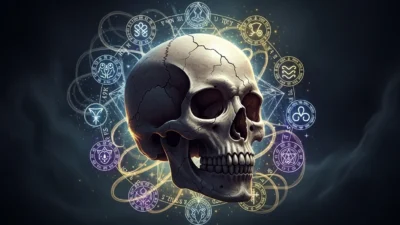
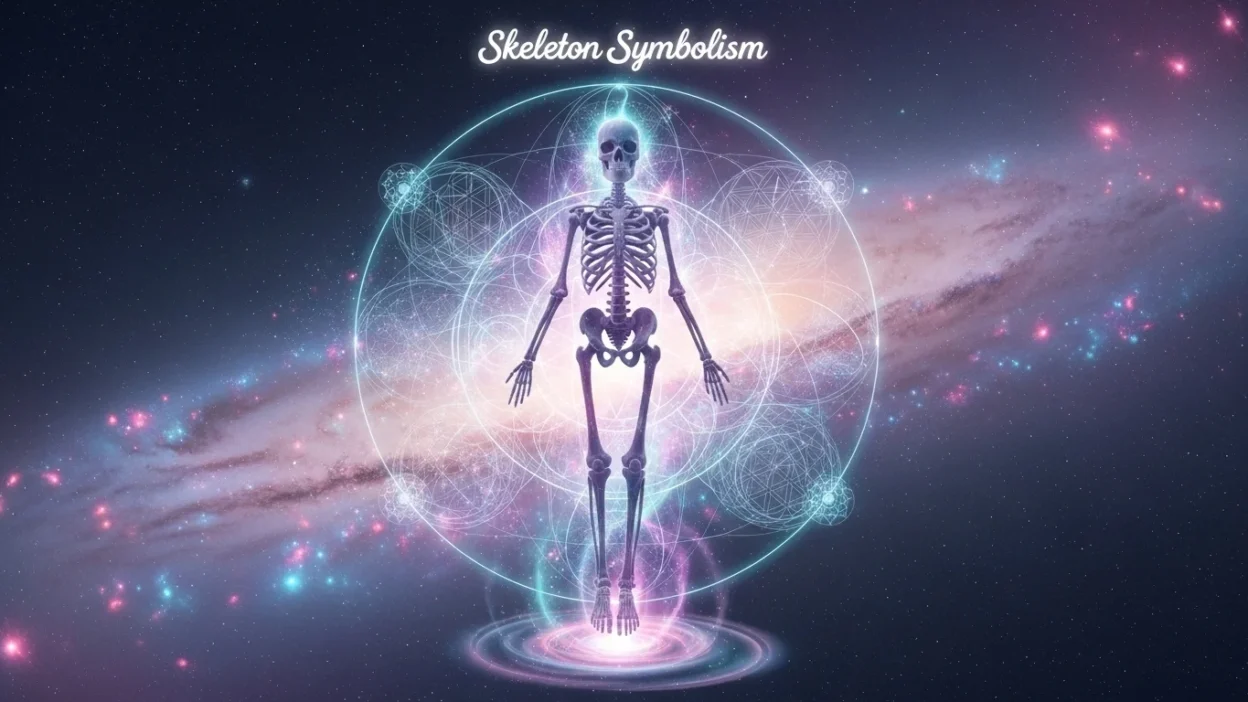
Skeleton symbolism is one of the most powerful and universal symbolic concepts, representing both the fragility of life and the enduring nature of existence.
Across cultures, beliefs, and art forms, skeletons reveal deeper truths about mortality, transformation, and what lies beneath the surface.
While often associated with death, the symbolism of a skeleton goes far beyond fear it can also represent strength, renewal, and spiritual awakening.
Skeleton Symbolism Meaning (Clear Definition)
Skeleton symbolism refers to the representation of the human skeleton as a symbol of death, mortality, truth, structure, and transformation. It strips away the outer layers of life, revealing what is essential and permanent.
At its core, a skeleton symbolizes:
- The foundation of life
- The inevitability of death
- The truth beneath appearances
What Does Skeleton Symbolism Represent?
Skeleton symbolism carries multiple meanings depending on context. It often reflects both physical and philosophical ideas.
Key Representations:
- Mortality – A reminder that life is temporary
- Truth and essence – What remains when illusions fade
- Strength and structure – The framework that supports life
- Transformation – The cycle of death and rebirth
- Fear or the unknown – The mystery beyond life
Quick Symbolism Table
| Symbol Aspect | Meaning |
| Bones | Strength, foundation |
| Skull | Mortality, awareness |
| Full skeleton | Death, transformation |
| Dancing skeleton | Celebration of life and death |
| Hidden skeleton | Secrets, truth revealed |
Spiritual Meaning of Skeleton Symbolism
Spiritually, skeleton symbolism is deeply connected to inner truth and transformation. It represents stripping away ego, illusions, and material attachments.
In many traditions, the skeleton symbolizes:
- Spiritual awakening – Seeing beyond the physical world
- Letting go – Releasing old identities or attachments
- Inner strength – The unbreakable core of the soul
- Rebirth – Death as a gateway to new beginnings
Rather than something to fear, the skeleton can be a guide toward deeper self-awareness and clarity.
Biblical / Religious Meaning of Skeleton Symbolism
In religious contexts, especially in Christianity, skeleton symbolism is often tied to mortality and divine power.
Common Biblical Associations:
- Human mortality – “Dust to dust” reflects the temporary nature of the body
- Resurrection – Bones coming back to life symbolize divine restoration
- Judgment and accountability – The soul outlives the body
In other belief systems:
- Hinduism and Buddhism may use skeleton imagery to emphasize impermanence
- Mexican traditions (Day of the Dead) celebrate skeletons as joyful symbols of remembrance and continuity
Skeleton Symbolism in History and Culture
Throughout history, skeleton symbolism has appeared in rituals, art, and cultural traditions.
Notable Cultural Uses:
- Medieval Europe – Skeletons in art (Danse Macabre) reminded people of death’s inevitability
- Ancient cultures – Bones were seen as sacred remnants of life
- Mexican culture – Colorful skeletons symbolize honoring ancestors and celebrating life
Across cultures, skeletons are not just about death they reflect how societies understand life itself.
Skeleton Symbolism in Literature and Art
In literature and art, skeleton symbolism often represents hidden truths and existential themes.
Common Uses:
- Gothic literature – Skeletons symbolize fear, decay, and the unknown
- Modern storytelling – They reveal secrets or inner darkness
- Visual art – Used to explore themes of identity, mortality, and transformation
Artists frequently use skeletons to strip away external beauty and focus on what is real and lasting.
Dream Meaning of Skeleton Symbolism
Seeing a skeleton in dreams can feel unsettling, but it often carries meaningful messages.
Possible Interpretations:
- Facing fears – Confronting mortality or hidden anxieties
- Revealing truth – Something hidden is coming to light
- Emotional emptiness – Feeling drained or lacking support
- Transformation – Letting go of the past and starting fresh
Dreaming of skeletons is often a sign of deep inner reflection and change.
Modern Meaning of Skeleton Symbolism
Today, skeleton symbolism has evolved and appears in fashion, media, and pop culture.
Modern Interpretations:
- Rebellion and individuality – Seen in edgy fashion and tattoos
- Honesty and authenticity – “Skeletons in the closet” refers to hidden truths
- Celebration of life – Especially in festivals like Day of the Dead
- Dark aesthetics – Used in art, music, and design
In modern contexts, skeletons are less about fear and more about expression and meaning.
FAQs
What does skeleton symbolism mean in simple terms?
Skeleton symbolism represents mortality, truth, and the essential structure of life beneath outward appearances.
Is skeleton symbolism always negative?
No, it can also symbolize transformation, strength, and spiritual awakening, not just death or fear.
What does a skeleton represent spiritually?
Spiritually, it represents inner truth, detachment from the physical world, and personal transformation.
What does dreaming of a skeleton mean?
It often means confronting fears, uncovering hidden truths, or going through a major life change.
Why are skeletons used in culture and art?
They visually represent universal themes like death, truth, and the human condition in a simple yet powerful way.
Conclusion
Skeleton symbolism goes far beyond its association with death. It reveals the deeper layers of existence truth, transformation, and the essence of who we are beneath everything superficial.
If seen in dreams, art, or spiritual teachings, the skeleton reminds us that while life is temporary, meaning and inner strength endure.