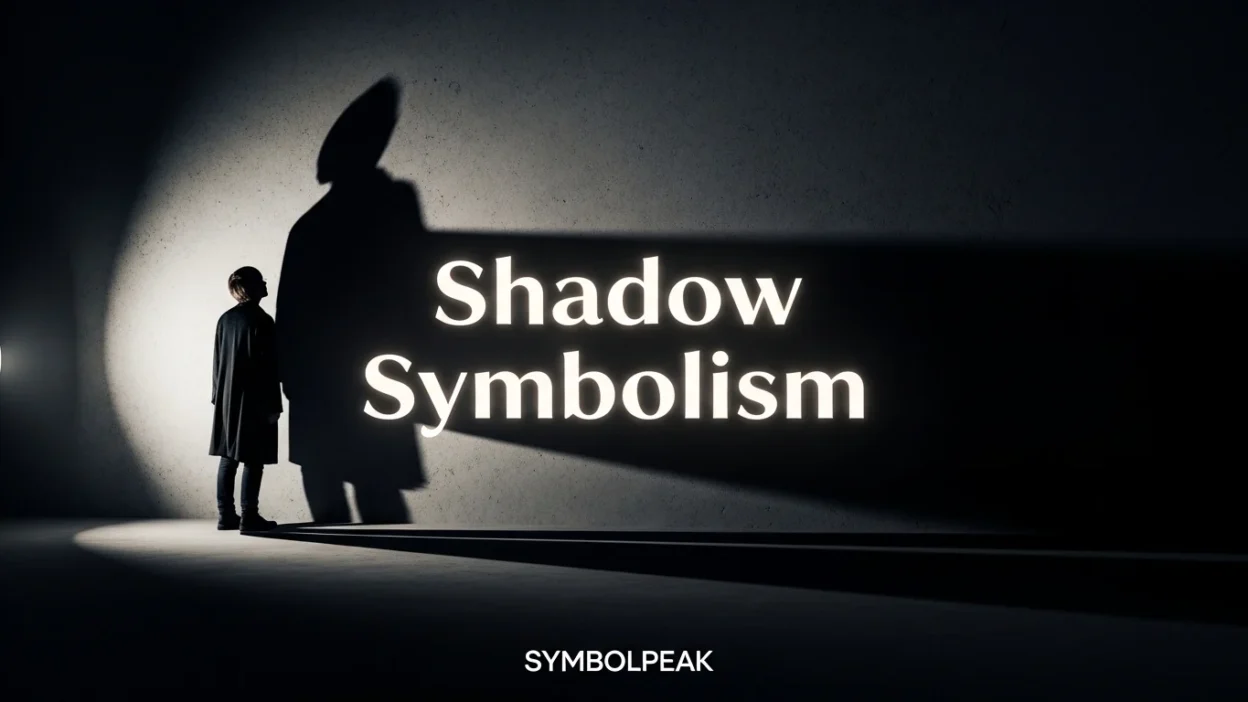
Shadow symbolism has fascinated humans for centuries. From ancient myths to modern psychology, shadows often represent the unseen parts of life mystery, hidden emotions, protection, and transformation.
Because a shadow follows us wherever light exists, it has become a powerful symbol of the relationship between light and darkness within the human experience.
Understanding shadow symbolism helps us explore deeper meanings in dreams, spirituality, art, and culture.
While shadows may appear dark or mysterious, they often reveal important truths about identity, inner struggles, and personal growth.
Shadow Symbolism Meaning (Clear Definition)
Shadow symbolism refers to the symbolic meaning of a shadow as a representation of hidden aspects of life, personality, or reality.
In symbolic interpretation, shadows often represent:
- The unconscious mind
- Hidden fears or emotions
- Mystery and the unknown
- Protection and shelter
- Inner transformation
Because shadows exist only when light is present, they frequently symbolize the balance between light and darkness, suggesting that both positive and negative aspects shape human experience.
What Does Shadow Symbolism Represent?
Shadow symbolism carries multiple meanings depending on the context in which it appears. In many traditions, shadows symbolize the unseen forces that influence thoughts, behavior, and destiny.
Common symbolic representations include:
- Hidden self – parts of personality that are not fully understood
- Mystery and secrecy – things concealed from view
- Inner fears – suppressed emotions or anxieties
- Protection and shelter – shade offering safety from harsh light
- Transformation – confronting inner darkness to grow
Quick Summary of Shadow Symbolism
| Symbolic Aspect | Meaning |
| Hidden Self | Unconscious thoughts and emotions |
| Mystery | The unknown or unexplored aspects of life |
| Protection | Shelter or safety from external forces |
| Duality | Balance between light and darkness |
| Transformation | Personal growth through self-discovery |
These meanings often appear in mythology, psychology, and spiritual traditions worldwide.
Spiritual Meaning of Shadow Symbolism
Spiritually, shadow symbolism is closely connected to inner awareness and self-discovery. Many spiritual traditions believe that shadows represent the parts of ourselves that need healing or understanding.
The spiritual meaning of shadows often includes:
- Self-reflection – recognizing hidden emotions or behaviors
- Inner balance – accepting both light and dark qualities
- Spiritual awakening – discovering deeper truths about oneself
- Transformation – moving through darkness toward growth
Some spiritual teachings emphasize that confronting one’s “shadow self” is necessary for achieving personal enlightenment and emotional balance.
Biblical / Religious Meaning of Shadow Symbolism
In religious texts, shadows often carry meanings related to protection, humility, or divine presence.
In biblical symbolism, shadows may represent:
- Divine protection – being sheltered under spiritual care
- Human limitation – the temporary nature of earthly life
- Guidance and refuge – protection during difficult times
For example, references to being in the “shadow” of a higher power often symbolize safety, comfort, and spiritual guardianship.
Shadow Symbolism in History and Culture
Throughout history, shadows have appeared in myths, folklore, and cultural traditions as symbols of mystery and hidden identity.
In many cultures:
- Shadows were believed to represent a person’s soul or spirit
- Losing one’s shadow was sometimes viewed as losing part of one’s identity
- Shadows were associated with spirits, ancestors, or unseen forces
Ancient storytelling frequently used shadows to illustrate the idea that reality has layers what we see and what remains hidden beneath the surface.
Shadow Symbolism in Literature and Art
Writers and artists often use shadow symbolism to create depth, tension, and emotional meaning.
In literature, shadows may symbolize:
- Internal conflict within a character
- Secrets waiting to be revealed
- Moral struggles between good and evil
- Fear of the unknown
In visual art, shadows enhance mood and symbolism. Artists use contrast between light and shadow to represent truth versus illusion, knowledge versus ignorance, or hope emerging from darkness.
Dream Meaning of Shadow Symbolism
Dreaming about shadows can carry powerful psychological and emotional messages.
Common dream interpretations include:
- Seeing a shadow figure – confronting hidden fears or unresolved emotions
- Being chased by a shadow – avoiding aspects of oneself
- Standing in a shadow – feeling uncertain or lacking clarity
- Watching a shadow disappear – resolving inner conflict or gaining awareness
Dream shadows often encourage reflection on thoughts or feelings that the mind may be avoiding in waking life.
Modern Meaning of Shadow Symbolism
In modern interpretations, especially in psychology and self-development, shadow symbolism has gained renewed importance.
Today, shadows often represent:
- The unconscious mind
- Hidden talents or suppressed emotions
- Personal growth through self-awareness
- Emotional healing and transformation
Many personal growth philosophies encourage individuals to explore their “shadow side” in order to achieve greater authenticity and emotional balance.
FAQs
What does shadow symbolism mean?
Shadow symbolism represents hidden aspects of life or personality. It often symbolizes mystery, unconscious emotions, protection, and personal transformation.
Is shadow symbolism negative?
Not necessarily. While shadows can represent fears or hidden struggles, they also symbolize self-discovery, growth, and the balance between light and darkness.
What does a shadow symbolize spiritually?
Spiritually, a shadow often represents the inner self that needs understanding or healing. It encourages reflection and personal transformation.
What does seeing a shadow in a dream mean?
Seeing a shadow in a dream may symbolize hidden fears, unresolved emotions, or aspects of yourself that require attention and awareness.
Why are shadows important symbols in art and literature?
Shadows create contrast and depth, allowing artists and writers to express themes like mystery, internal conflict, and the struggle between truth and illusion.
Conclusion
Shadow symbolism reminds us that life contains both light and darkness. Rather than representing something purely negative, shadows often guide us toward deeper self-awareness, reflection, and growth.
By exploring what lies in the shadows, we gain a fuller understanding of ourselves and the hidden layers of human experience.