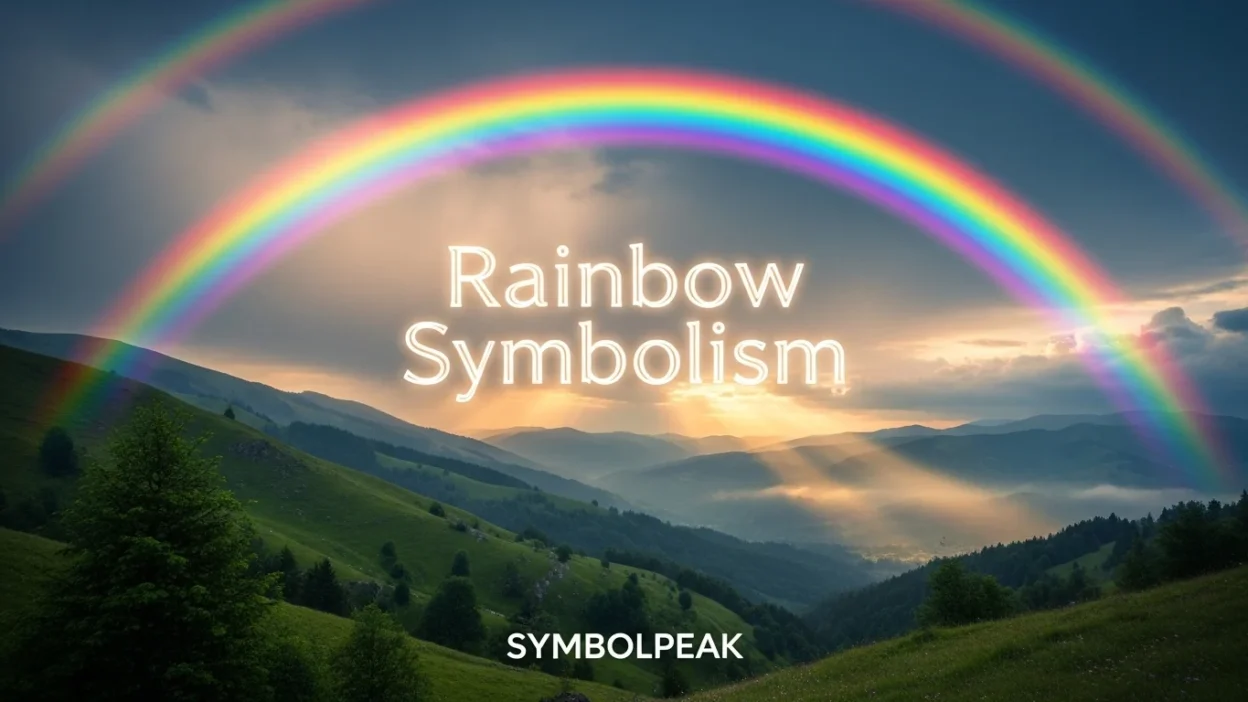
Rainbow symbolism has fascinated people across cultures for centuries. Appearing after rain when sunlight breaks through the clouds, a rainbow often feels like a magical bridge between the storm and the calm.
Because of this natural beauty, rainbow symbolism is commonly linked with hope, renewal, divine promise, and emotional healing.
From spiritual traditions to modern culture, the rainbow represents positivity, unity, and transformation.
If seen in mythology, religion, dreams, or art, the rainbow continues to inspire deep meaning and personal reflection.
Rainbow Symbolism Meaning (Clear Definition)
Rainbow symbolism refers to the symbolic meanings associated with the rainbow, often representing hope, renewal, harmony, transformation, and divine connection after difficult times.
Because a rainbow appears when sunlight meets rain, it symbolizes the idea that beauty and clarity can emerge after hardship. Many cultures interpret it as a sign of balance between light and darkness.
Key symbolic meanings of a rainbow
| Symbolic Meaning | Explanation |
| Hope | A reminder that brighter days follow storms |
| Renewal | A fresh start after challenges |
| Unity | Different colors forming one harmonious arc |
| Transformation | Change and growth through life’s struggles |
| Divine Promise | Spiritual reassurance and protection |
| Joy and Positivity | A natural symbol of happiness |
What Does Rainbow Symbolism Represent?
Rainbow symbolism represents several powerful life themes connected to emotional and spiritual balance.
Common interpretations include:
- Hope after difficulty – storms pass, and light returns
- Unity in diversity – many colors forming a beautiful whole
- Balance between opposites – sun and rain working together
- Transformation and growth – challenges leading to positive change
- Connection between heaven and earth – a bridge between realms
Because of its rare and beautiful appearance, the rainbow often feels like a message of encouragement and possibility.
Spiritual Meaning of Rainbow Symbolism
Spiritually, rainbow symbolism is deeply connected with awakening, divine guidance, and spiritual harmony.
Many spiritual traditions view the rainbow as a symbol of higher consciousness and alignment between the physical and spiritual worlds.
Spiritual meanings of the rainbow include:
- Spiritual enlightenment and awareness
- Balance between energy centers or chakras
- Protection and divine presence
- A sign that spiritual guidance is near
Some spiritual practices also associate the rainbow’s colors with different emotional or spiritual energies, reinforcing the idea of inner balance.
Biblical / Religious Meaning of Rainbow Symbolism
In religious traditions, rainbow symbolism often represents God’s promise, mercy, and faithfulness.
In the Bible, a rainbow appears after the great flood as a covenant between God and humanity, symbolizing that the earth would never again be destroyed by floodwaters.
Because of this story, the rainbow is interpreted as:
- A sign of divine promise
- A symbol of peace between heaven and earth
- A reminder of faith, mercy, and protection
Many believers view the rainbow as a powerful reminder of hope during difficult times.
Rainbow Symbolism in History and Culture
Throughout history, many cultures have attached special meaning to the rainbow.
In ancient myths and folklore, the rainbow was often described as a bridge between worlds, connecting the earth with divine realms.
Cultural interpretations include:
- In some mythologies, the rainbow was believed to be a path for gods or spirits.
- In folklore, it symbolized hidden treasure or magical rewards.
- In many traditions, it represented luck, prosperity, and divine messages.
These historical beliefs show how deeply the rainbow has inspired human imagination across civilizations.
Rainbow Symbolism in Literature and Art
Writers and artists frequently use rainbow symbolism to express hope, imagination, and emotional healing.
In literature, a rainbow often appears at the end of a difficult journey, symbolizing resolution, optimism, and a brighter future.
Artists use the rainbow’s vivid colors to represent:
- Emotional diversity
- Creativity and imagination
- Harmony and unity
- Joy and positivity
Because of its vibrant beauty, the rainbow remains one of the most powerful visual symbols in storytelling and artistic expression.
Dream Meaning of Rainbow Symbolism
Seeing a rainbow in a dream is generally considered a very positive sign.
Dream interpreters often associate rainbow dreams with good fortune, hope, and personal transformation.
Possible meanings include:
- A problem in life will soon resolve
- Emotional healing is taking place
- A new opportunity or chapter is beginning
- Spiritual growth or enlightenment is near
If the rainbow appears bright and clear in a dream, it often symbolizes strong optimism and future success.
Modern Meaning of Rainbow Symbolism
In modern society, rainbow symbolism has expanded to represent diversity, inclusion, and unity.
The rainbow is widely recognized as a symbol of:
- Diversity and acceptance
- Equality and social progress
- Creativity and individuality
- Positivity and joy
Because each color contributes to the whole, the rainbow has become a powerful visual reminder that differences can create beauty and harmony.
FAQs
What is the main meaning of rainbow symbolism?
The main meaning of rainbow symbolism is hope and renewal after difficult times, representing beauty emerging from storms and challenges.
Is seeing a rainbow considered a good sign?
Yes, many cultures view a rainbow as a positive and lucky sign, symbolizing peace, blessings, and new beginnings.
What does a rainbow symbolize spiritually?
Spiritually, a rainbow represents divine guidance, spiritual awakening, harmony, and connection between the physical and spiritual worlds.
What does a rainbow mean in dreams?
A rainbow in dreams usually symbolizes hope, emotional healing, success, or a positive transformation in life.
Why is the rainbow a symbol of unity?
The rainbow represents unity because many different colors combine to form one beautiful arc, symbolizing harmony within diversity.
Conclusion
Rainbow symbolism continues to inspire people around the world because it represents hope, transformation, unity, and spiritual promise.
Appearing after storms, the rainbow reminds us that even difficult moments can lead to beauty and renewal.
If in dreams, religion, art, or modern culture, the rainbow remains a powerful symbol of positivity and possibility.

Cole Jaxson is the administrator of SymbolPeak, overseeing site management and content integrity. He is dedicated to presenting Bible-based spiritual symbol meanings with accuracy, reverence, and clarity, ensuring the platform remains trustworthy, well-organized, and aligned with biblical teachings and faith-centered understanding for readers worldwide.