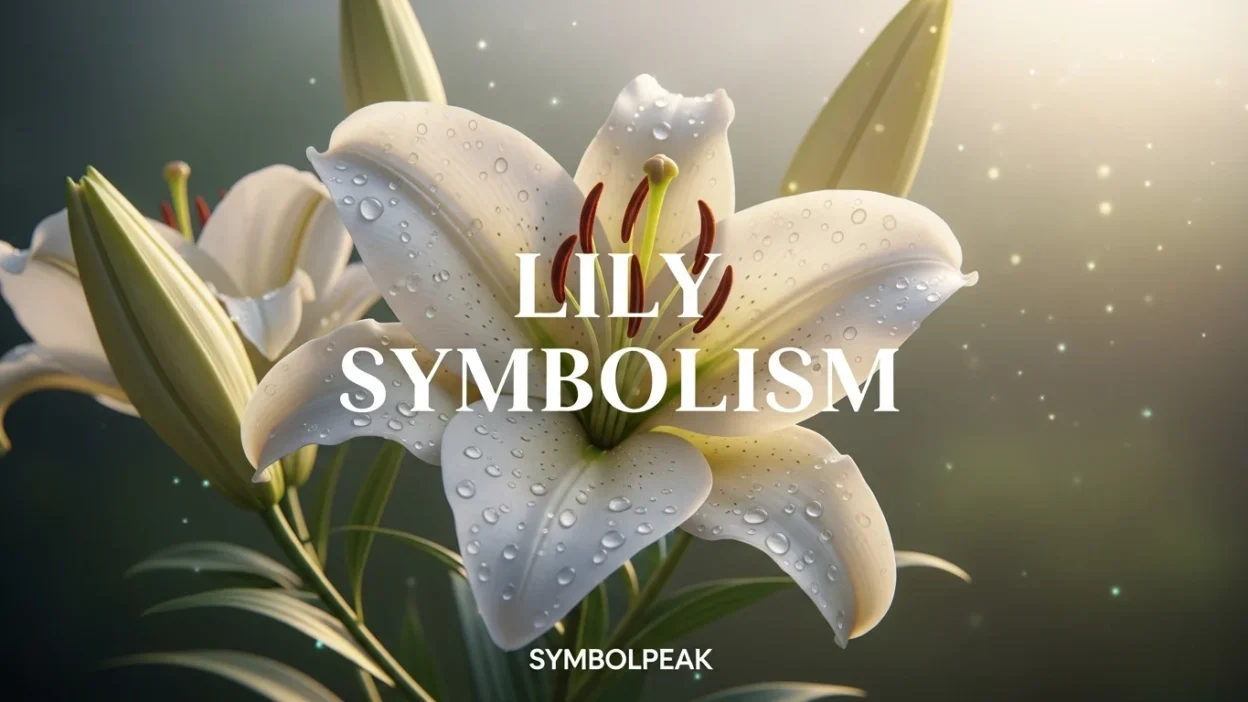
Lily symbolism has fascinated cultures for centuries. Known for its elegant petals and gentle fragrance, the lily flower represents purity, renewal, devotion, and spiritual transformation.
Across religions, art, and traditions, lilies often symbolize hope, rebirth, and divine beauty.
Because of their delicate appearance and rich history, lilies have become powerful symbols in spirituality, literature, and modern culture.
Understanding lily symbolism helps reveal why this graceful flower continues to inspire people around the world.
Lily Symbolism Meaning (Clear Definition)
Lily symbolism refers to the spiritual, emotional, and cultural meanings associated with the lily flower.
Traditionally, lilies represent:
- Purity and innocence
- Renewal and rebirth
- Divine beauty
- Devotion and faith
- Peace and tranquility
The symbolism can vary depending on the color and cultural context. For example, white lilies symbolize purity, while orange lilies represent confidence and passion.
Common Symbolic Meanings of Lilies
| Lily Type / Context | Symbolic Meaning |
| White Lily | Purity, innocence, spirituality |
| Pink Lily | Love, admiration, compassion |
| Orange Lily | Confidence, energy, pride |
| Yellow Lily | Joy, friendship, gratitude |
| Funeral Lily | Peace, rebirth, the soul’s journey |
This wide range of meanings explains why lilies appear in ceremonies, religious traditions, and artistic works.
What Does Lily Symbolism Represent?
At its core, lily flower symbolism represents purity, transformation, and spiritual growth. The flower’s ability to bloom beautifully from a bulb hidden beneath the soil symbolizes renewal and new beginnings.
Key representations include:
- Purity and innocence – Often associated with sacred or spiritual contexts
- Rebirth and renewal – A reminder of life cycles and fresh starts
- Love and devotion – Frequently used in weddings and romantic gestures
- Peace and remembrance – Commonly used in memorial ceremonies
Because of these meanings, lilies are often chosen to express deep emotions that words cannot fully capture.
Spiritual Meaning of Lily Symbolism
Spiritually, lilies symbolize awakening, enlightenment, and inner purity. Many spiritual traditions view the lily as a reminder to live with grace, compassion, and honesty.
The spiritual meaning of lilies often includes:
- Spiritual awakening
- Divine guidance
- Inner peace
- Healing and renewal
The way a lily opens gradually toward the sun is often interpreted as a metaphor for the soul opening to higher wisdom and spiritual truth.
In meditation and spiritual symbolism, the lily encourages individuals to remain pure in intention and connected to higher purpose.
Biblical / Religious Meaning of Lily Symbolism
In religious traditions, especially Christianity, lilies carry deep spiritual significance.
The white lily is strongly associated with:
- Purity
- Faith
- Divine grace
- Resurrection
In Christian symbolism, lilies are often linked to the Virgin Mary, representing her purity and devotion. They also appear during Easter celebrations, symbolizing the resurrection and renewal of life.
A famous biblical reference appears in teachings about faith and trust, where lilies represent God’s provision and natural beauty.
Because of this connection, lilies frequently appear in churches, religious artwork, and spiritual ceremonies.
Lily Symbolism in History and Culture
Throughout history, lilies have held powerful meanings in many cultures.
Ancient Greece
In Greek mythology, lilies were associated with motherhood and divine femininity. They were believed to have originated from the milk of a goddess, symbolizing purity and creation.
Ancient Rome
Romans connected lilies with wealth, pride, and celebration. The flower often appeared in festivals and royal decorations.
Medieval Europe
During the medieval period, lilies symbolized nobility and honor. They were used in royal emblems and coats of arms.
Asian Traditions
In many Asian cultures, lilies symbolize good fortune, long-lasting love, and harmony. They are commonly used in weddings and celebrations.
These historical meanings helped establish the lily as one of the most respected symbolic flowers worldwide.
Lily Symbolism in Literature and Art
Artists and writers have long used lily symbolism to express deeper emotions and themes.
In literature, lilies often represent:
- Innocence or moral purity
- Fragility and beauty
- Spiritual devotion
- Life’s fleeting nature
Poets frequently compare lilies to gentleness and grace, emphasizing their delicate appearance and calm presence.
In visual art, lilies often appear in paintings depicting sacred scenes, purity, or peaceful landscapes. Their elegant form makes them a powerful artistic symbol of beauty and serenity.
Dream Meaning of Lily Symbolism
Seeing lilies in dreams can carry important symbolic messages.
Common interpretations include:
- Personal growth or transformation
- Peace after emotional struggle
- A reminder to stay true to your values
- Spiritual guidance or protection
Different dream scenarios may have unique meanings:
- Blooming lilies – New opportunities and personal development
- White lilies – Inner peace and spiritual clarity
- Receiving lilies – Appreciation or love from someone important
- Withered lilies – Emotional healing may be needed
Dream interpreters often view lilies as a positive sign connected to emotional balance and renewal.
Modern Meaning of Lily Symbolism
Today, lily symbolism remains meaningful in everyday life.
People commonly associate lilies with:
- Weddings – Representing purity and commitment
- Funerals – Symbolizing peace and the soul’s journey
- Celebrations – Expressing joy and admiration
- Self-growth – Representing transformation and new beginnings
In modern floral language, lilies are also used to express respect, compassion, and heartfelt emotions.
Because of their timeless beauty and powerful symbolism, lilies remain one of the most meaningful flowers used in important life events.
FAQs
What does a lily symbolize spiritually?
Spiritually, lilies symbolize purity, enlightenment, and renewal. They often represent the soul’s growth and connection to higher wisdom.
What does a white lily symbolize?
A white lily symbolizes innocence, purity, peace, and divine grace. It is commonly associated with spirituality and religious traditions.
Are lilies a symbol of rebirth?
Yes. Lilies often symbolize rebirth and new beginnings because they grow from bulbs and bloom again each season.
What does a lily represent in love?
In romantic symbolism, lilies represent devotion, admiration, and long-lasting love, especially in wedding ceremonies.
What does dreaming about lilies mean?
Dreaming about lilies usually symbolizes emotional healing, personal growth, and spiritual peace.
Conclusion
Lily symbolism reflects some of the most meaningful aspects of life purity, renewal, devotion, and spiritual growth.
From ancient mythology to modern celebrations, the lily continues to represent hope, beauty, and transformation.
Its graceful petals remind us that even from the quietest beginnings, something truly beautiful can bloom.

Cole Jaxson is the administrator of SymbolPeak, overseeing site management and content integrity. He is dedicated to presenting Bible-based spiritual symbol meanings with accuracy, reverence, and clarity, ensuring the platform remains trustworthy, well-organized, and aligned with biblical teachings and faith-centered understanding for readers worldwide.