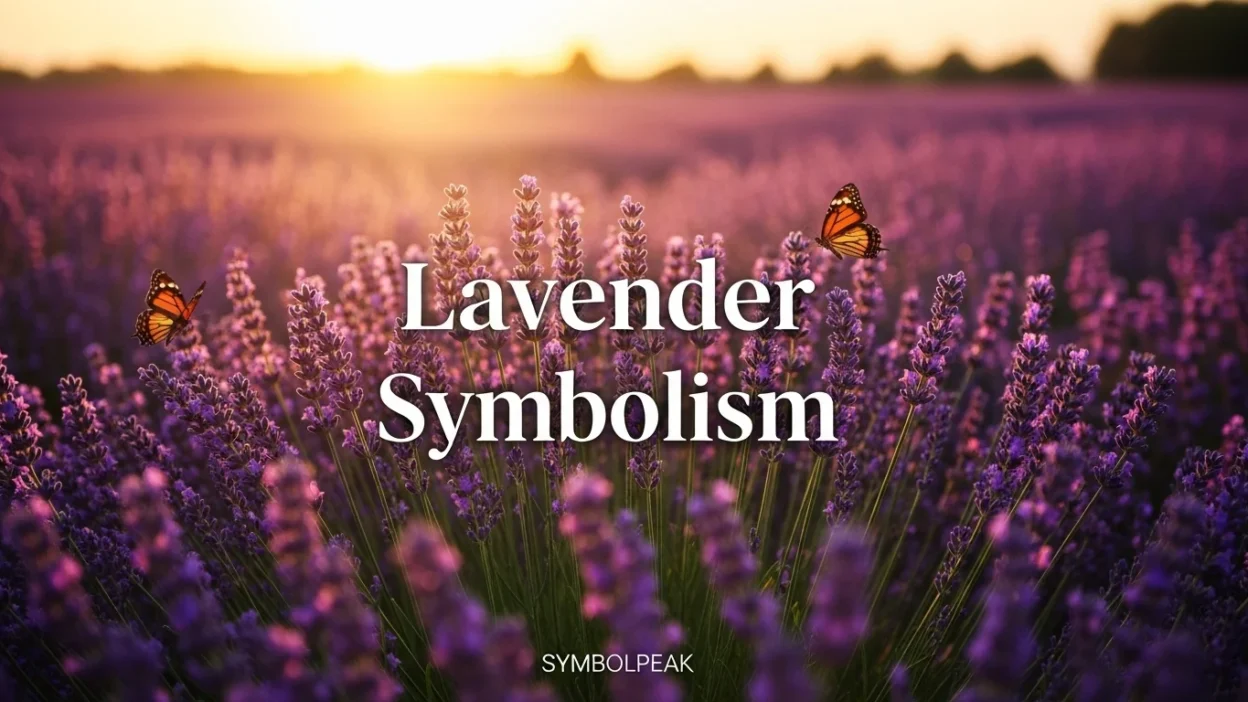
Lavender symbolism has fascinated people for centuries. Known for its soft purple color and calming fragrance, lavender represents peace, purity, healing, and emotional balance.
Across cultures, the lavender flower has been associated with tranquility, spiritual protection, and gentle strength.
If used in gardens, art, or rituals, lavender symbolism continues to inspire people seeking calmness, love, and inner harmony.
Lavender Symbolism Meaning (Clear Definition)
Lavender symbolism refers to the meanings and emotions connected with the lavender flower and its distinctive purple hue.
At its core, lavender symbolizes:
- Calmness and peace
- Purity and cleanliness
- Healing and relaxation
- Devotion and loyalty
- Spiritual awareness
Because lavender has long been used in aromatherapy and herbal medicine, its symbolism often connects with mental clarity, emotional healing, and soothing energy.
What Does Lavender Symbolism Represent?
Lavender symbolism represents a range of positive emotions and life values. Its gentle color and relaxing scent make it a universal symbol of serenity and harmony.
Common symbolic meanings include:
- Tranquility – Lavender is strongly associated with calm environments and stress relief.
- Grace and elegance – The soft purple tone reflects subtle beauty and refinement.
- Healing energy – Lavender has historically been used for relaxation and natural medicine.
- Love and devotion – In some traditions, lavender symbolizes faithful love and loyalty.
- Spiritual growth – The purple color often represents wisdom and spiritual awareness.
Quick Symbolism Overview
| Symbolic Meaning | Explanation |
| Peace | Encourages calmness and emotional balance |
| Purity | Represents cleanliness and innocence |
| Healing | Connected to herbal medicine and relaxation |
| Devotion | Symbolizes loyalty and gentle love |
| Spirituality | Associated with higher awareness and wisdom |
Spiritual Meaning of Lavender Symbolism
Spiritually, lavender symbolism reflects inner peace, spiritual protection, and emotional purification.
Many spiritual traditions view lavender as a plant that:
- Clears negative energy
- Promotes meditation and mindfulness
- Encourages emotional healing
- Supports spiritual awakening
Because purple is often linked with intuition and higher consciousness, lavender flowers are sometimes used in spiritual rituals, meditation spaces, or calming environments.
Biblical / Religious Meaning of Lavender Symbolism
While lavender itself is not directly named in many biblical translations, its color and fragrance symbolism closely align with spiritual themes found in religious traditions.
Possible religious associations include:
- Purity and holiness – Similar to sacred oils and incense used in worship.
- Devotion and faithfulness – Lavender’s gentle beauty represents humble spiritual devotion.
- Peace of the soul – Its calming scent reflects spiritual rest and divine comfort.
In Christian symbolism, purple tones including lavender often represent royalty, reverence, and spiritual reflection.
Lavender Symbolism in History and Culture
Lavender has held symbolic importance throughout history.
Ancient Civilizations
- Ancient Romans used lavender in baths for purification and relaxation.
- Ancient Egyptians valued lavender for perfumes and sacred rituals.
Medieval Europe
During the Middle Ages, lavender symbolized protection and cleanliness. People placed lavender in homes to ward off illness and negative influences.
Victorian Flower Language
In the Victorian era’s language of flowers, lavender represented:
- Devotion
- Serenity
- Grace
People often included lavender in bouquets to communicate quiet affection or admiration.
Lavender Symbolism in Literature and Art
In literature and art, lavender symbolism often expresses gentle emotions, nostalgia, and quiet beauty.
Writers and artists use lavender imagery to represent:
- Peaceful landscapes
- Romantic nostalgia
- Emotional healing
- Dreamlike serenity
Because lavender fields create visually soothing scenes, artists frequently use them to convey calmness and reflection.
Dream Meaning of Lavender Symbolism
Seeing lavender in dreams is usually a positive and calming sign.
Possible dream interpretations include:
- Emotional healing – You may be recovering from stress or past struggles.
- Peaceful transformation – Your life may be moving toward balance and clarity.
- Spiritual awareness – The dream may signal personal growth or deeper intuition.
- Letting go of stress – Lavender dreams often appear when the mind seeks relaxation.
Overall, lavender in dreams suggests harmony, healing, and emotional renewal.
Modern Meaning of Lavender Symbolism
Today, lavender symbolism remains strongly connected to well-being and mindfulness.
In modern culture, lavender often represents:
- Self-care and relaxation
- Mental wellness
- Natural healing
- Peaceful living
- Emotional balance
Lavender is commonly used in candles, essential oils, and wellness products because it reflects calm, healing energy and a slower, more peaceful lifestyle.
FAQs
What does lavender symbolize in general?
Lavender symbolizes peace, healing, purity, and calmness. Its soft purple color also represents spiritual awareness and emotional balance.
Is lavender a symbol of love?
Yes, lavender can symbolize gentle love, devotion, and loyalty, especially in historical flower symbolism traditions.
What does lavender symbolize spiritually?
Spiritually, lavender represents purification, protection from negative energy, and deeper spiritual awareness.
What does lavender mean in dreams?
Dreaming of lavender often symbolizes emotional healing, relaxation, and a desire for inner peace.
Why is lavender associated with calmness?
Lavender is widely used in aromatherapy for stress relief and relaxation, which naturally connects the flower with tranquility and serenity.
Conclusion
Lavender symbolism beautifully combines peace, healing, and spiritual awareness. From ancient rituals to modern wellness practices, the lavender flower continues to represent calmness, devotion, and emotional balance.
Its gentle color and soothing fragrance remind us to slow down, restore our inner harmony, and appreciate life’s quiet moments.

Cole Jaxson is the administrator of SymbolPeak, overseeing site management and content integrity. He is dedicated to presenting Bible-based spiritual symbol meanings with accuracy, reverence, and clarity, ensuring the platform remains trustworthy, well-organized, and aligned with biblical teachings and faith-centered understanding for readers worldwide.