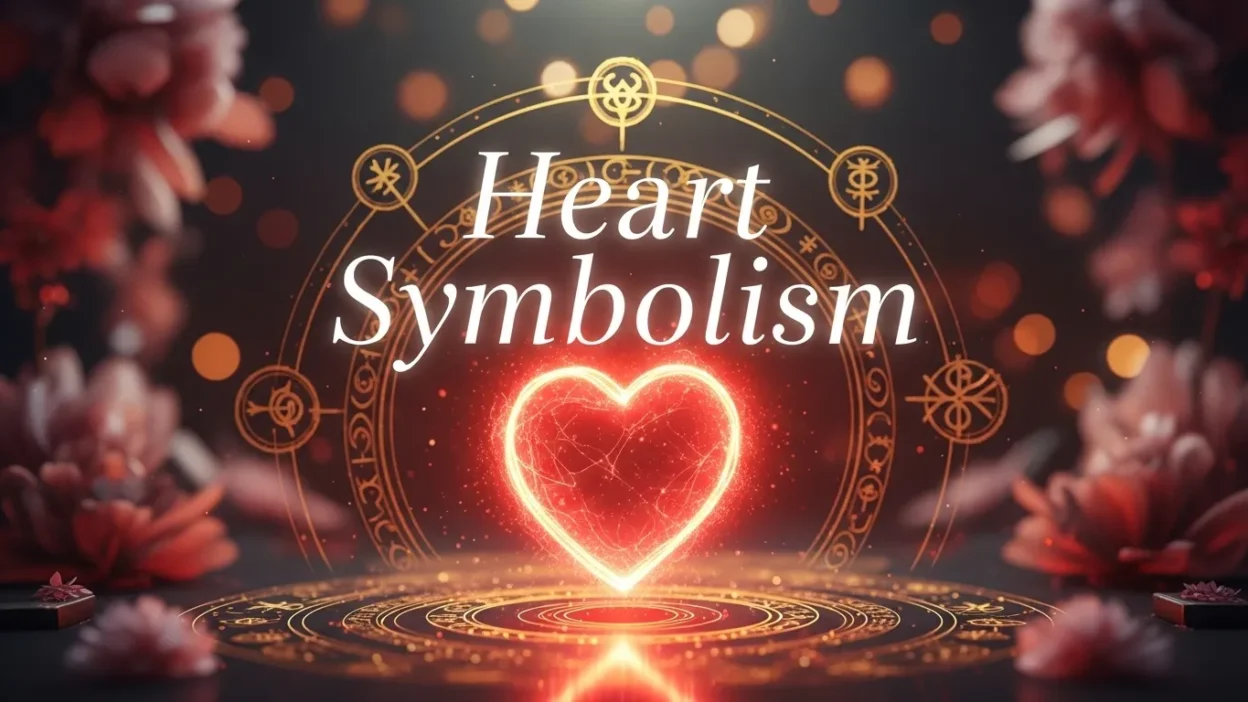
Heart symbolism is one of the most powerful and universal symbols in human history. Across cultures, religions, art, and literature, the heart represents love, emotion, compassion, and the very essence of life itself.
If drawn as a simple red icon or described in ancient poetry, heart symbolism speaks directly to human experience. It connects us to feelings of romance, courage, devotion, and spiritual awakening.
But what does the heart truly symbolize beyond romance? Let’s explore its deeper meaning.
Heart Symbolism Meaning (Clear Definition)
Heart symbolism refers to the representation of the heart as a symbol of love, emotion, soul, compassion, and inner truth.
While the physical heart pumps blood and sustains life, symbolically it represents our emotional and spiritual center. It reflects:
- Love and affection
- Emotional depth
- Sincerity and honesty
- Courage and strength
- Spiritual awareness
In short, the heart symbolizes both life itself and the feelings that make life meaningful.
What Does Heart Symbolism Represent?
Heart symbolism represents the core of human identity, the place where emotion and spirit meet.
Here are the most common symbolic meanings:
| Symbolic Aspect | Meaning |
| ❤️ Love | Romance, passion, affection |
| 💗 Compassion | Kindness, empathy, care |
| 💓 Emotional Truth | Authentic feelings, vulnerability |
| 💪 Courage | Bravery, strength of spirit |
| 🔥 Passion | Desire, motivation, drive |
Beyond romantic love, the heart symbol also represents loyalty, devotion, forgiveness, and emotional healing.
Spiritual Meaning of Heart Symbolism
Spiritually, heart symbolism is connected to the heart chakra, known in Eastern traditions as Anahata. This energy center governs love, compassion, balance, and forgiveness.
When spiritually open, the heart symbolizes:
- Divine love
- Emotional harmony
- Inner peace
- Soul connection
- Universal compassion
Many spiritual teachings describe the heart as the bridge between the physical and spiritual worlds. It is seen as the seat of the soul, the place where true wisdom lives.
Biblical / Religious Meaning of Heart Symbolism
In the Bible, the heart is mentioned hundreds of times as the center of thought, will, and moral character. It does not only represent emotion but also intention and faith.
For example, in the Book of Proverbs, the heart is described as the source of life and guidance. In Matthew, purity of heart is associated with spiritual blessing.
In Christianity, the Sacred Heart of Jesus Christ symbolizes divine love, sacrifice, and compassion for humanity.
In Islam, the concept of Qalb refers to the spiritual heart, the center of faith and consciousness. In Hinduism and Buddhism, the heart represents enlightenment and loving awareness.
Across religions, the heart symbolizes sincerity, devotion, and divine connection.
Heart Symbolism in History and Culture
The heart symbol as we know it today evolved during the Middle Ages. It became widely associated with romantic love during the courtly love traditions of Europe.
During the Renaissance, artists used heart imagery in paintings and manuscripts to represent love and loyalty.
In ancient Egypt, the heart was considered the most important organ. It was weighed in the afterlife ceremony against the feather of truth, determining one’s fate.
Throughout history, heart symbolism has consistently represented:
- Life force
- Emotional truth
- Moral integrity
- Romantic devotion
Its endurance across civilizations shows its universal emotional power.
Heart Symbolism in Literature and Art
In literature, the heart often represents inner emotion and moral struggle. Poets use heart imagery to express longing, heartbreak, joy, and transformation.
Writers like William Shakespeare frequently used the heart as a metaphor for love and emotional intensity. In his plays, giving someone your heart symbolized complete devotion.
In art, the red heart icon became globally recognized in the 20th century. It appears in paintings, tattoos, greeting cards, and digital communication.
Today, the heart emoji continues this artistic tradition expressing feelings instantly and universally.
Dream Meaning of Heart Symbolism
Dreaming of a heart often reflects your emotional state.
Common interpretations include:
- A whole heart: emotional balance and love
- A broken heart: grief, betrayal, or healing
- A glowing heart: spiritual awakening
- Holding a heart: desire for connection
Heart symbolism in dreams usually relates to vulnerability, relationships, and emotional truth.
Modern Meaning of Heart Symbolism
In modern life, heart symbolism goes beyond romance. It represents:
- Self-love and mental wellness
- Compassionate leadership
- Emotional intelligence
- Social activism driven by empathy
The heart icon is used in healthcare logos, charity organizations, and social media “likes.” It communicates care, support, and emotional connection instantly.
In a fast-paced digital world, the heart remains a reminder to lead with empathy.
FAQs
What does heart symbolism mean?
Heart symbolism represents love, emotion, compassion, courage, and spiritual connection.
Is heart symbolism only about romantic love?
No. It also symbolizes friendship, loyalty, empathy, forgiveness, and inner strength.
What is the spiritual meaning of the heart?
Spiritually, the heart represents divine love, balance, and the center of the soul.
What does a broken heart symbolize?
A broken heart symbolizes emotional pain, loss, but also healing and personal growth.
Why is the heart a universal symbol?
Because love and emotion are universal human experiences, the heart naturally became their global symbol.
Conclusion
Heart symbolism is far more than a simple romantic icon. It represents love, courage, compassion, spiritual truth, and the very essence of being human.
Across religions, cultures, and centuries, the heart remains a timeless reminder that our greatest strength lies not in power but in feeling deeply and loving fully.
Meta Description (20 words):

Cole Jaxson is the administrator of SymbolPeak, overseeing site management and content integrity. He is dedicated to presenting Bible-based spiritual symbol meanings with accuracy, reverence, and clarity, ensuring the platform remains trustworthy, well-organized, and aligned with biblical teachings and faith-centered understanding for readers worldwide.