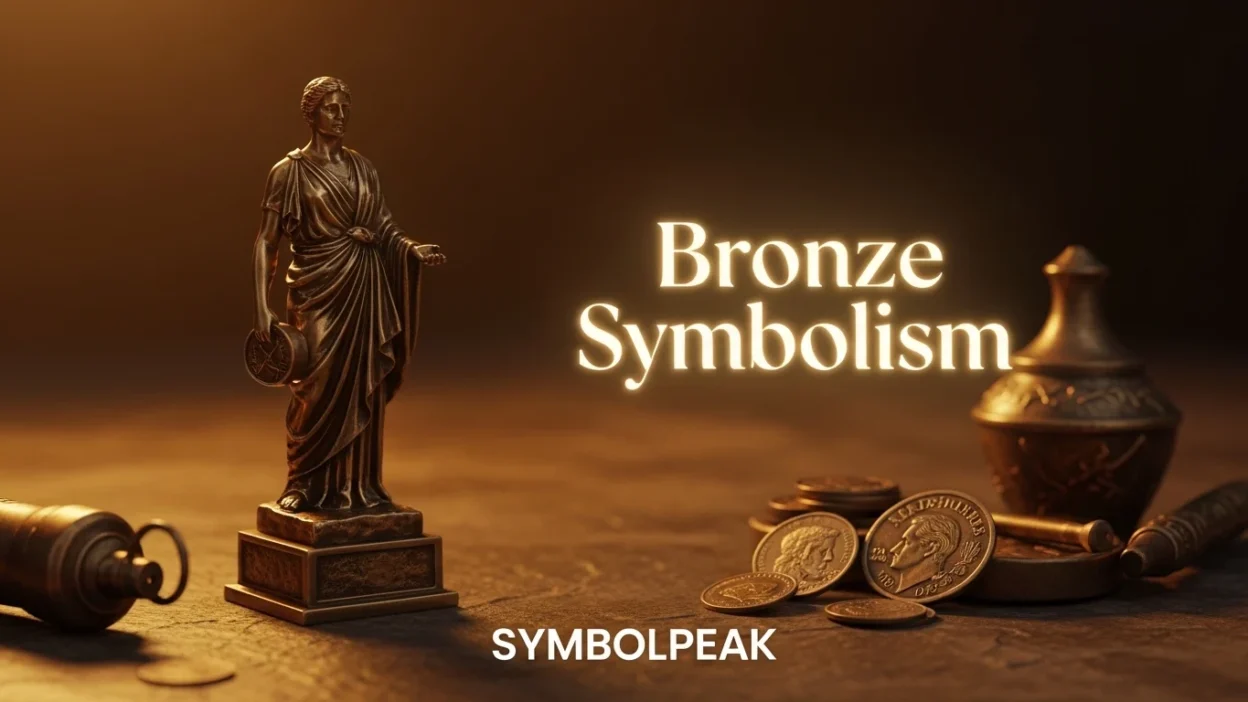
Bronze symbolism carries deep historical and cultural meaning that has fascinated people for thousands of years. From ancient weapons and statues to modern medals and artwork, bronze represents strength, durability, creativity, and human progress.
This unique metal created by combining copper and tin became a turning point in human civilization, and its symbolism continues to inspire ideas of resilience, craftsmanship, and lasting legacy.
Understanding bronze symbolism helps us see how a simple metal evolved into a powerful symbol of achievement, protection, and timeless endurance across cultures.
Bronze Symbolism Meaning (Clear Definition)
Bronze symbolism refers to the representation of strength, endurance, craftsmanship, and historical progress associated with the bronze metal.
Because bronze is harder and more durable than pure copper, it became a symbol of resilience, stability, and human innovation. Over time, it also came to represent achievement and recognition, especially in modern contexts like sports and awards.
Key symbolic meanings of bronze include:
- Strength and durability
- Human progress and innovation
- Achievement and recognition
- Protection and defense
- Artistic creativity and craftsmanship
- Endurance and longevity
Bronze reminds us that progress often comes from combining different elements just as copper and tin create a stronger metal together.
What Does Bronze Symbolism Represent?
Bronze symbolism represents several powerful ideas that connect physical strength with human creativity.
1. Strength and Durability
Bronze tools and weapons were stronger than earlier materials, making the metal a symbol of power, reliability, and endurance.
2. Human Innovation
The discovery of bronze technology marked the Bronze Age, a period of massive advancement in tools, agriculture, and society.
3. Achievement and Recognition
Today, bronze medals symbolize third place achievements, reminding us that effort and perseverance deserve recognition.
4. Protection and Defense
In ancient times, bronze armor and shields represented security and protection in battle.
5. Artistic Legacy
Many sculptures and statues are cast in bronze, making it a symbol of lasting artistic expression and cultural memory.
Spiritual Meaning of Bronze Symbolism
Spiritually, bronze symbolism often represents balance, grounding energy, and transformation through strength.
Because bronze is created by combining metals, it symbolizes unity and harmony between different forces. Many spiritual traditions view bronze as a material that carries earthly energy and protective qualities.
Spiritual interpretations of bronze include:
- Inner strength and resilience
- Protection against negative forces
- Transformation through experience
- Grounded wisdom and stability
Bronze reminds us that spiritual growth often comes from enduring challenges and emerging stronger.
Biblical / Religious Meaning of Bronze Symbolism
In religious texts, bronze often symbolizes judgment, strength, purification, and divine authority.
In biblical tradition, bronze objects frequently appeared in sacred spaces and rituals. For example, bronze altars and instruments represented purification and sacred power.
Common biblical interpretations include:
- Divine judgment
- Strength and power
- Purification through fire
- Endurance and steadfast faith
Because bronze can withstand intense heat, it became a symbol of faith that survives trials.
Bronze Symbolism in History and Culture
Bronze played a crucial role in shaping early human civilization, giving rise to the Bronze Age, which began around 3300 BCE in many regions.
During this period, bronze transformed society in several ways:
- Stronger tools improved farming and construction
- Bronze weapons changed warfare and defense
- Artistic bronze sculptures expressed culture and belief systems
- Decorative bronze items reflected social status
Many ancient cultures including those in China, Mesopotamia, Egypt, and Greece valued bronze as a material representing power, craftsmanship, and prestige.
Because bronze artifacts last for centuries, they symbolize history preserved through time.
Bronze Symbolism in Literature and Art
In literature and art, bronze often symbolizes permanence, heroic memory, and immortal achievement.
Artists frequently choose bronze for statues of leaders, heroes, and historical figures because the metal conveys strength and timeless respect.
Common artistic symbolism includes:
- Heroism and bravery
- Enduring legacy
- Honor and remembrance
- Human achievement
Bronze sculptures placed in public spaces often represent the idea that great actions should be remembered forever.
Dream Meaning of Bronze Symbolism
Dreaming about bronze can carry symbolic meanings related to strength, recognition, and personal growth.
Possible dream interpretations include:
- Seeing bronze objects: recognition of your achievements
- Holding bronze: personal strength and resilience
- Bronze statues: admiration for a role model or personal ambition
- Bronze turning bright: success after effort
Such dreams often encourage you to value your progress and appreciate the strength you have developed over time.
Modern Meaning of Bronze Symbolism
In modern society, bronze symbolism still reflects achievement, endurance, and artistic value.
Today, bronze appears in many meaningful contexts:
- Bronze medals in sports competitions
- Public monuments and statues honoring historical figures
- Decorative art and architecture
- Commemorative plaques and memorials
Even though gold and silver may symbolize higher rankings, bronze reminds us that every level of accomplishment represents dedication and effort.
Summary of Bronze Symbolism
| Symbolic Aspect | Meaning |
| Strength | Durability and resilience |
| Achievement | Recognition and accomplishment |
| Protection | Defense and security |
| Creativity | Artistic craftsmanship |
| Progress | Human innovation and development |
| Legacy | Memory that lasts through generations |
FAQs
What does bronze symbolize spiritually?
Bronze spiritually symbolizes strength, grounding energy, transformation, and protection. It often represents balance and endurance through life’s challenges.
Why is bronze associated with achievement?
Bronze medals are awarded for third place in competitions, making bronze a symbol of recognition, perseverance, and honorable accomplishment.
What does bronze represent in history?
Historically, bronze represents technological advancement during the Bronze Age, when stronger tools and weapons transformed human civilization.
Is bronze a symbol of strength?
Yes. Because bronze is durable and resistant to damage, it has long symbolized resilience, endurance, and physical strength.
What does bronze mean in art and statues?
In art, bronze symbolizes permanence, honor, and legacy. Many monuments use bronze to preserve important figures and historical achievements.
Conclusion
Bronze symbolism reflects the powerful story of human progress. From ancient tools and sacred objects to modern medals and monuments, bronze represents strength, endurance, creativity, and lasting achievement.
Its meaning reminds us that true value often comes from resilience, craftsmanship, and the ability to transform simple elements into something enduring and meaningful.